

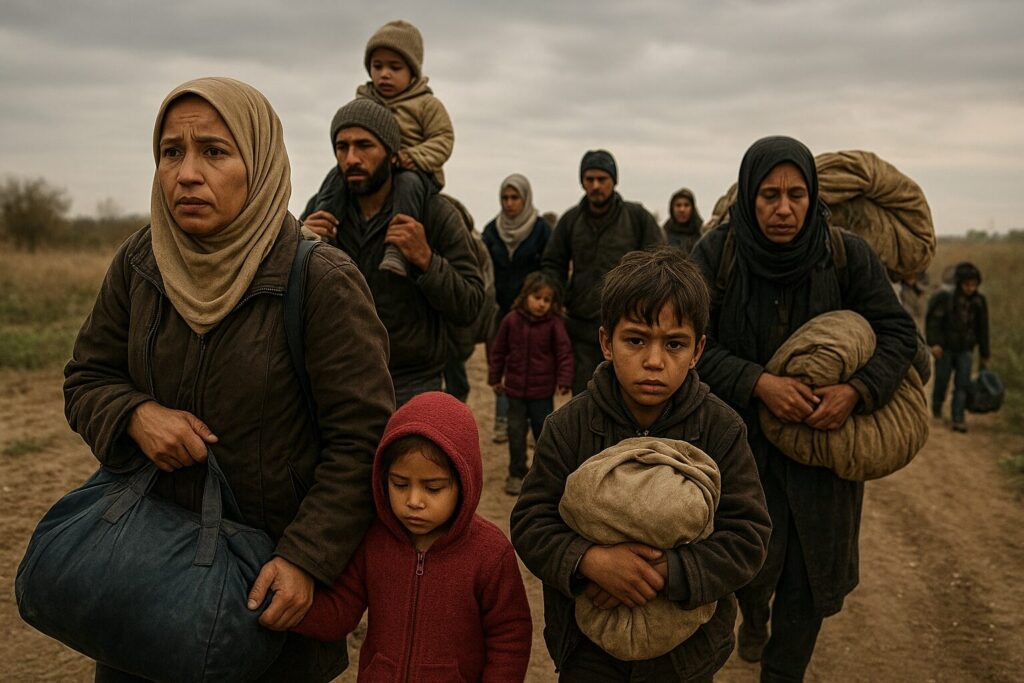
Introduction
A refugee is an individual who is forced to leave their home country due to conflict, persecution, violence, or human rights violations. Unlike voluntary migrants, refugees flee to protect their lives, safety, or freedom, often leaving behind their homes and belongings. Globally, refugees represent a significant humanitarian challenge, with millions displaced across borders seeking security and protection.
Definition and Legal Framework
According to the 1951 Refugee Convention and the 1967 Protocol:
- A refugee is someone who has a well-founded fear of persecution based on race, religion, nationality, political opinion, or membership in a particular social group, and who cannot safely return to their home country.
- Refugees are entitled to protection under international law, including the right not to be forcibly returned, access to asylum, and basic humanitarian aid.
Causes of Refugee Movements
People become refugees due to various reasons:
- Armed Conflicts – Wars and civil unrest force mass displacement.
- Persecution – Individuals or groups targeted for their beliefs, ethnicity, or political stance.
- Natural Disasters and Climate Change – Events like floods, droughts, or rising sea levels drive people from their homes.
- Human Rights Violations – Systematic abuse, torture, or discrimination prompts people to flee.
Challenges Faced by Refugees
Refugees encounter multiple hardships:
- Safety Concerns – Many live in temporary camps, vulnerable to violence or exploitation.
- Basic Needs – Limited access to food, water, healthcare, and sanitation.
- Legal Obstacles – Restrictions on immigration, lack of documentation, and risk of deportation.
- Psychological Impact – Trauma from conflict or the migration journey affects mental health.
- Education and Employment – Displacement often disrupts schooling and reduces job opportunities.
Global Refugee Crises
Refugee issues are prevalent worldwide:
- Syria – Millions fled after the civil war began in 2011, mostly to neighboring countries.
- Rohingya – Persecution in Myanmar forced hundreds of thousands to seek safety in Bangladesh.
- Afghanistan – Long-term conflict and the Taliban takeover displaced millions.
- Venezuela – Economic and political instability pushed millions across Latin America.
International Response
Supporting refugees requires global cooperation:
- UNHCR – Provides protection, shelter, and basic aid to refugees worldwide.
- NGOs – Offer food, healthcare, education, and emergency assistance.
- Host Countries – Grant asylum, temporary protection, or resettlement opportunities.
Importance of Refugee Protection
- Humanitarian Duty – Protecting vulnerable populations and ensuring their rights and dignity.
- Global Stability – Refugee crises can impact regional peace, resources, and political relations.
- Economic and Social Contributions – Refugees can positively contribute to host countries when supported with opportunities.
Conclusion
Refugees are among the most vulnerable groups in the world, compelled to leave their homes due to threats to life and freedom. Addressing refugee crises requires international collaboration, human rights protection, and sustainable solutions such as resettlement, aid, and conflict resolution. Understanding and responding to the needs of refugees is essential to promote compassion, justice, and long-term global stability.
