

Introduction
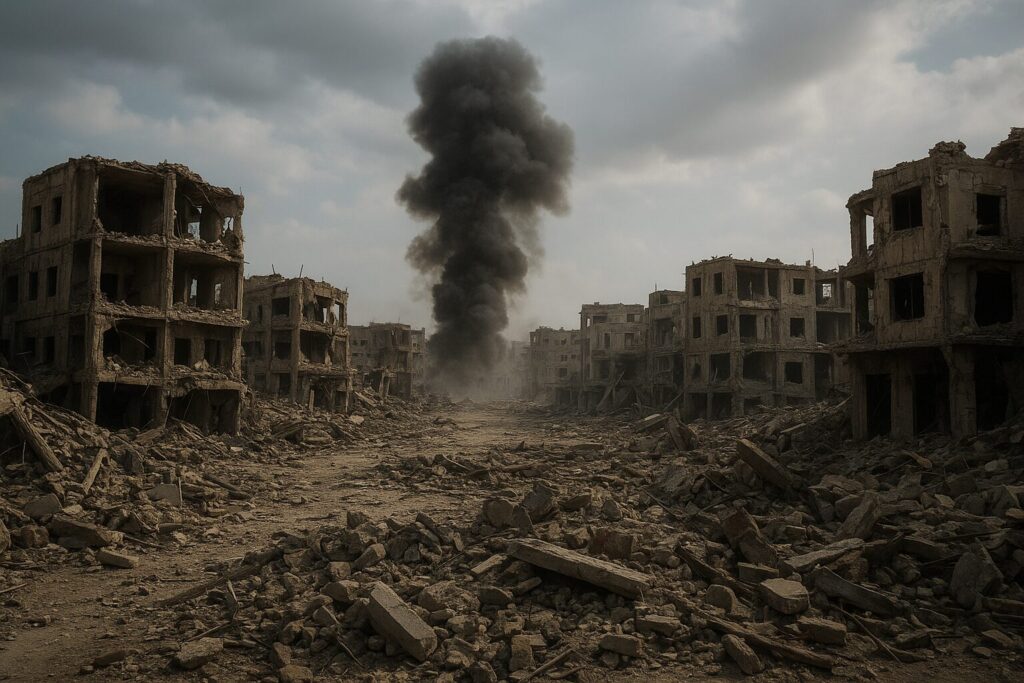
Airstrikes are attacks conducted from the air, using aircraft, drones, or missiles to target specific locations on land or at sea. They are widely used in modern warfare by both state militaries and non-state actors to achieve strategic, tactical, or political goals. While effective in weakening enemy forces and infrastructure, airstrikes can also result in civilian casualties, property damage, and long-term humanitarian consequences.
Definition and Types
An airstrike refers to a deliberate assault from the air on enemy personnel, positions, or infrastructure. Various types include:
- Precision Airstrikes – Highly targeted attacks using guided weapons to reduce unintended damage.
- Carpet Bombing / Area Bombing – Extensive bombing over large areas, aiming to weaken enemy positions but with higher risks to civilians.
- Drone Strikes – Unmanned aerial vehicles (UAVs) deliver bombs or missiles, often for targeted counterterrorism operations.
- Tactical Airstrikes – Provide support to ground forces by hitting enemy positions or supply lines during active battles.
- Strategic Airstrikes – Designed to disrupt the enemy’s overall capabilities, such as factories, power stations, or command centers.
Purpose of Airstrikes
Airstrikes serve several strategic and tactical purposes:
- Military Objectives – Destroy enemy infrastructure, equipment, and forces.
- Tactical Support – Assist ground operations during battles or offensives.
- Deterrence – Display military strength to discourage enemy actions.
- Political Messaging – Signal determination or deliver warnings to opponents.
- Counterterrorism – Target militants or insurgents in difficult-to-reach areas.
Legal and Ethical Considerations
Under international humanitarian law, airstrikes must adhere to principles such as:
- Distinction – Differentiate between combatants and civilians.
- Proportionality – Limit civilian harm relative to military objectives.
- Necessity – Ensure attacks are essential for achieving legitimate military goals.
Failure to comply can lead to accusations of war crimes, especially when strikes are indiscriminate or disproportionate.
Impacts of Airstrikes
- Humanitarian – Civilian deaths, displacement, and destruction of homes, hospitals, schools, and infrastructure.
- Psychological – Trauma and fear experienced by affected populations.
- Environmental – Damage to ecosystems, pollution, and long-term resource loss.
- Political and Strategic – May escalate conflicts, provoke retaliation, or influence negotiations.
Historical and Contemporary Examples
- World War II – Strategic bombings in Germany and Japan caused massive destruction but played a role in ending the war.
- Gulf War (1991) – Precision airstrikes targeted Iraqi military installations extensively.
- Syria Civil War – Multiple actors, including the Syrian government, Russia, and the US-led coalition, conducted airstrikes, affecting both military and civilian areas.
- Israel-Palestine Conflicts – Airstrikes have been used to counter rocket attacks, target militant infrastructure, and impact regional dynamics.
Challenges and Controversies
Airstrikes often face criticism due to:
- Civilian Casualties – Even targeted strikes can harm non-combatants.
- Intelligence Limitations – Mistargeting may cause unintended destruction.
- Conflict Escalation – Retaliatory actions can prolong or intensify warfare.
- Political Backlash – International condemnation or diplomatic tensions may follow.
Conclusion
Airstrikes are a potent yet double-edged tool in modern warfare. They can achieve strategic and tactical objectives, but their humanitarian, ethical, and political implications make them highly scrutinized under international law. Understanding how airstrikes function, their objectives, and their risks is essential for evaluating modern conflicts and crafting policies that balance military necessity with the protection of civilians.
