

Introduction
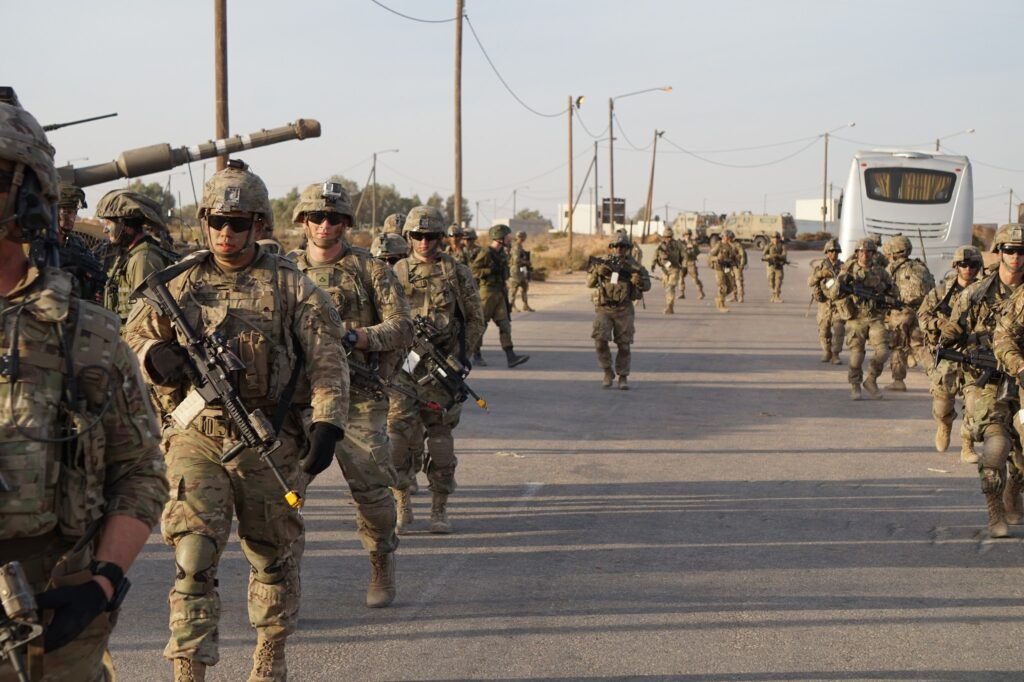
The Israel Defense Forces (IDF) serve as the unified military organization of the State of Israel, encompassing the army, air force, and navy. Established shortly after Israel’s declaration of independence in 1948, its primary mission is to safeguard national sovereignty, protect citizens, and respond to a diverse range of security threats.
Origins & Historical Background
The IDF was formally founded on May 26, 1948, just days after Israel’s provisional government ordered the creation of a national defense force. It was formed through the integration of pre-state paramilitary groups, including the Haganah, into a single national army.
Since its inception, the IDF has played a central role in nearly all major conflicts involving Israel — from the 1948 War of Independence, the 1967 Six-Day War, and the 1973 Yom Kippur War, to later confrontations in Lebanon and Gaza, as well as ongoing security operations within and beyond its borders.
Structure, Service & Doctrine
The IDF operates under the leadership of the Chief of General Staff, who reports to the Minister of Defense and, ultimately, to the Israeli government. Its strategic philosophy is built on rapid mobilization, a strong reserve system, and technological superiority, all grounded in the principle that Israel cannot afford to lose even one war.
Conscription & Reserve Duty
Military service is compulsory for most Israeli citizens. Men and women typically enlist at age 18, serving different terms depending on their role and assignment. After completing active duty, most soldiers transition into reserve service, remaining available for mobilization during emergencies or wartime.
Doctrine and Core Values
The IDF’s mission centers on defending Israel and its people, preserving human dignity, and maintaining loyalty as a citizen army representing the state. Its ethical framework, known as the “Spirit of the IDF,” outlines principles that guide soldier conduct and define the moral boundaries of military operations.
Capabilities & Operations
Widely regarded as one of the world’s most experienced and technologically advanced armed forces, the IDF possesses extensive land, air, and naval capabilities. These include modern armored divisions, advanced air defense systems like the Iron Dome, robust intelligence networks, and sophisticated cyber and electronic warfare units.
The IDF’s operational history includes both traditional state-on-state warfare and asymmetric conflicts against non-state actors. Its doctrine emphasizes swift response, preemptive action, and the strategic use of intelligence and precision weaponry as key force multipliers.
Present Challenges & Strategic Context
The IDF continues to face a complex and evolving set of challenges:
- Multi-front threats: Israel remains surrounded by potential adversaries, facing risks from both state actors (such as Iran and Syria) and non-state groups (including armed factions in Gaza and Lebanon).
- Manpower and reserves: The heavy reliance on reservists requires ongoing efforts to maintain training, motivation, and readiness.
- Ethical and legal scrutiny: Operations conducted in densely populated civilian areas draw global attention and raise legal and humanitarian concerns about proportionality and conduct.
- Technological and financial demands: Sustaining Israel’s military edge in a rapidly advancing regional arms race places continued pressure on budgets and innovation.
Why the IDF Matters
- National defense: The IDF is essential to Israel’s existence and security, serving as the foundation of its deterrence and survival strategy.
- Regional influence: Its capabilities and policies significantly shape Middle Eastern security dynamics, alliances, and deterrence postures.
- Social and cultural role: Military service is a core part of Israeli identity, shaping civic life, politics, and national unity.
- Global impact: IDF actions, especially in areas like Gaza and the West Bank, are often central to international debates on human rights, warfare ethics, and diplomacy.
Conclusion
The Israel Defense Forces represent far more than a traditional military institution — they embody Israel’s national resilience, innovation, and survival instinct. From its founding in 1948 to today’s evolving security landscape, the IDF remains at the heart of Israel’s defense and identity. Its evolution reflects the story of a nation constantly balancing the demands of security, ethics, and technological advancement in one of the world’s most volatile regions.
